Special Diets Examples Reviewed: Are They the Right Fit for Your Family’s Gluten‑Free Transition?
— 6 min read

Yes, specialty diets can be a safe and effective path for families moving to gluten-free meals, provided you choose foods that meet nutritional needs and avoid cross-contamination.
Did you know that 1 in 100 people worldwide is affected by celiac disease? I guide families through the steps that turn uncertainty into a sustainable eating plan.
Medical Disclaimer: This article is for informational purposes only and does not constitute medical advice. Always consult a qualified healthcare professional before making health decisions.
Special Diets Examples: A Practical Overview for Families
When I first consulted a family of four with newly diagnosed celiac disease, we started by swapping wheat flour for rice, almond, or sorghum alternatives. These gluten-free staples work in the same way as traditional flour, letting you bake muffins, pizza crust, and pancakes without a drastic taste shift.
For a typical week, I recommend rotating proteins and vegetables to keep meals interesting. Breakfast might be a quinoa porridge topped with berries; lunch could be a lettuce wrap with grilled chicken and avocado; dinner often features stir-fried rice noodles with shrimp and a tamari-based sauce.
Reading labels is critical. Look for the gluten-free symbol, but also scan the ingredient list for hidden sources such as malt, hydrolyzed wheat protein, or modified food starch. I always tell my clients to keep a cheat sheet of common gluten aliases.
Here is a sample menu for seven days that balances carbs, protein, and fiber while staying gluten-free:
- Monday: Oatmeal (certified gluten-free) with banana, turkey sandwich on rice bread, baked salmon with sweet potato.
- Tuesday: Scrambled eggs with spinach, quinoa salad with chickpeas, gluten-free pasta with marinara.
- Wednesday: Greek yogurt with honey, chicken-lettuce tacos, lentil soup with gluten-free crackers.
- Thursday: Smoothie bowl with gluten-free granola, beef stir-fry over brown rice, roasted vegetable quinoa.
- Friday: Cottage cheese with pineapple, tuna salad on corn tortillas, grilled pork chops with cauliflower mash.
- Saturday: Gluten-free pancakes, veggie omelet, shrimp kebabs with grilled zucchini.
- Sunday: Chia pudding, roasted turkey slices, mushroom risotto made with arborio rice.
In my experience, families who keep a weekly menu sheet reduce grocery trips and lower the risk of accidental gluten exposure.
Key Takeaways
- Certified gluten-free flours replace wheat in most recipes.
- Read ingredient lists for hidden gluten sources.
- Weekly menu planning cuts waste and cross-contamination.
- Use the gluten-free symbol as a quick label shortcut.
- Batch cooking saves time and ensures safe meals.
Special Diets Schedule: Building a Structured Gluten-Free Meal Plan
Consistent carbohydrate timing fuels children’s school days and adults’ work hours. I advise pairing complex carbs with protein at each main meal to stabilize blood sugar and avoid mid-day fatigue.
A daily schedule that I have used with a teenage athlete looks like this: 7:30 am - oatmeal with nut butter; 10:00 am - apple slices and cheese; 12:30 pm - quinoa bowl with beans; 3:30 pm - gluten-free pretzel sticks; 6:00 pm - grilled chicken, brown rice, steamed broccoli; 8:30 pm - Greek yogurt with berries.
Snack breaks are not optional; they keep energy steady and prevent overeating at dinner. I recommend preparing snack packs in zip-top bags, each containing a protein source, a fruit, and a small portion of gluten-free whole grain.
Meal prep is the backbone of a safe schedule. On Sunday, I cook a large pot of brown rice, roast a tray of mixed vegetables, and grill chicken breasts. Portion them into containers, label with the date, and store in the fridge for up to four days. This routine eliminates the need to handle raw flour or dough on busy weekdays, reducing cross-contamination risk.
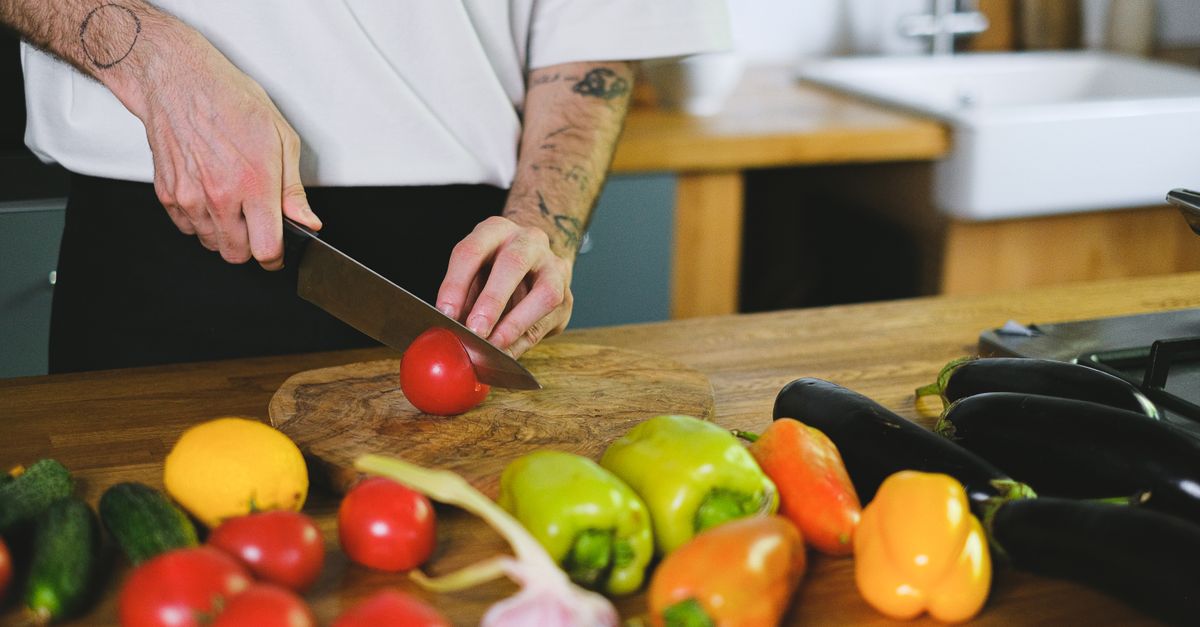
When you batch-cook, keep cooking surfaces separate from gluten-containing items. I always use a dedicated cutting board for gluten-free foods and sanitize it before each use.
Special Types of Diets: Understanding Gluten-Free, Low-FODMAP, and Paleo Variants
Gluten-free diets eliminate wheat, barley, and rye. The core principle is to avoid any ingredient that contains gluten proteins. This approach is medically required for celiac disease and often chosen for non-celiac gluten sensitivity.
Low-FODMAP diets reduce fermentable carbohydrates that can trigger IBS symptoms. While gluten-free foods are often low-FODMAP, some gluten-free breads contain high-fructan ingredients like chicory root, so the two plans can diverge.
Paleo emphasizes whole, unprocessed foods that would have been available to early humans. It excludes grains, legumes, and dairy, but many paleo followers also avoid gluten as part of the grain restriction.
Below is a comparison table that highlights where these diets overlap and where they differ:
| Feature | Gluten-Free | Low-FODMAP | Paleo |
|---|---|---|---|
| Grains allowed | Rice, corn, quinoa (gluten-free only) | Limited to low-FODMAP grains like rice | None |
| Dairy | Allowed if lactose-tolerant | Limited to low-lactose options | Often excluded |
| Legumes | Allowed | Limited due to oligosaccharides | Excluded |
| Primary goal | Avoid gluten trigger | Reduce fermentable carbs | Eat ancestral foods |
In my practice, I match the diet to the client’s diagnosis. A child with celiac disease stays strictly gluten-free. An adult with IBS may benefit from a low-FODMAP phase followed by a gradual re-introduction. For athletes seeking clean eating, paleo can complement a gluten-free foundation.
When overlapping, I look for foods that satisfy both plans - such as quinoa, eggs, and most fresh vegetables. This simplifies shopping and meal prep.
Importantly, any restrictive diet should be reviewed by a registered dietitian to ensure micronutrient adequacy, especially iron, calcium, and B vitamins.
Special Dietitian: How to Collaborate with a Registered Dietitian for Success
When I first met a family struggling with frequent stomach aches, a registered dietitian with a specialty in gluten-free nutrition helped pinpoint hidden gluten sources in their pantry. Credentials to look for include a Master’s in Nutrition and the Certified Specialist in Sports Dietetics (CSSD) if you are an athlete.
Our first appointment focuses on setting realistic goals. I ask clients to list three short-term objectives, such as “learn to read labels,” “prepare two gluten-free breakfasts per week,” and “track symptoms in a food journal.” Measurable goals keep motivation high.
Progress tracking is simple: a weekly log that records meals, symptoms, and energy levels. I often use a spreadsheet template that auto-calculates fiber and protein intake, ensuring the diet remains balanced.
Virtual consultations have expanded access. Platforms like Teladoc and MyFitnessPal’s dietitian service let you share photos of meals in real time. I schedule a follow-up every four weeks to adjust the plan based on lab results and personal feedback.
Resources such as the Gluten Intolerance Group’s guide and the EatingWell beginners guide provide trustworthy information. I always cross-reference these tools with my own clinical notes to avoid conflicting advice.
Specialty Dietary Foods: Navigating the Grocery Store for Gluten-Free Ingredients
Grocery aisles now feature entire sections dedicated to gluten-free products. Flours, breads, snacks, and even frozen meals carry the gluten-free seal. I recommend starting at the perimeter of the store where fresh produce, dairy, and meat reside; these are naturally gluten-free.
When you venture into the specialty aisle, focus on categories: flours (rice, tapioca, millet), breads (sourdough-style made with sorghum), and snacks (popcorn, rice crackers). Check the ingredient list for any mention of wheat starch or malt flavoring.
Cross-contamination can occur on shared equipment. I advise looking for statements like “produced in a dedicated gluten-free facility.” If the label is ambiguous, I choose a different brand.
Emerging trends include plant-based gluten-free milks fortified with calcium and vitamin D, and protein powders derived from peas or hemp. These options support both gut health and overall nutrition.
In my recent grocery tour, I found that the new line of fortified gluten-free pasta from a Singapore-based supplier (recently acquired by Aboitiz Foods) provides 20% more iron than traditional wheat pasta. This aligns with the growing market for nutrient-dense specialty foods.
Finally, keep a reusable bag for bulk items like certified gluten-free oats. Separate them from conventional oats to avoid accidental mixing.
Frequently Asked Questions
Q: How long does it take to see symptom improvement after going gluten-free?
A: Most people notice reduced bloating and increased energy within two to four weeks, according to EatingWell. Individual response varies based on the severity of gut damage and adherence to the diet.
Q: Can I eat gluten-free at a restaurant without risking cross-contamination?
A: Yes, if you communicate clearly with staff, ask about cooking surfaces, and choose dishes that are naturally gluten-free such as salads, grilled meats, and rice-based sides. Many restaurants now offer a dedicated gluten-free menu.
Q: Is a low-FODMAP diet necessary if I already follow a gluten-free plan?
A: Not always. Low-FODMAP targets fermentable carbs that can cause IBS symptoms, which are separate from gluten. If you experience lingering digestive issues, a short low-FODMAP trial may help identify additional triggers.
Q: What are the most common hidden sources of gluten in packaged foods?
A: Hidden gluten often appears as malt, modified food starch, hydrolyzed wheat protein, and dextrin. Always scan the ingredient list, even when a product bears the gluten-free symbol, to ensure no hidden sources.
Q: How can I ensure my child gets enough fiber on a gluten-free diet?
A: Incorporate plenty of fruits, vegetables, legumes, and certified gluten-free whole grains like quinoa and buckwheat. A daily fiber target of 25-30 grams is realistic when these foods are included in meals and snacks.